
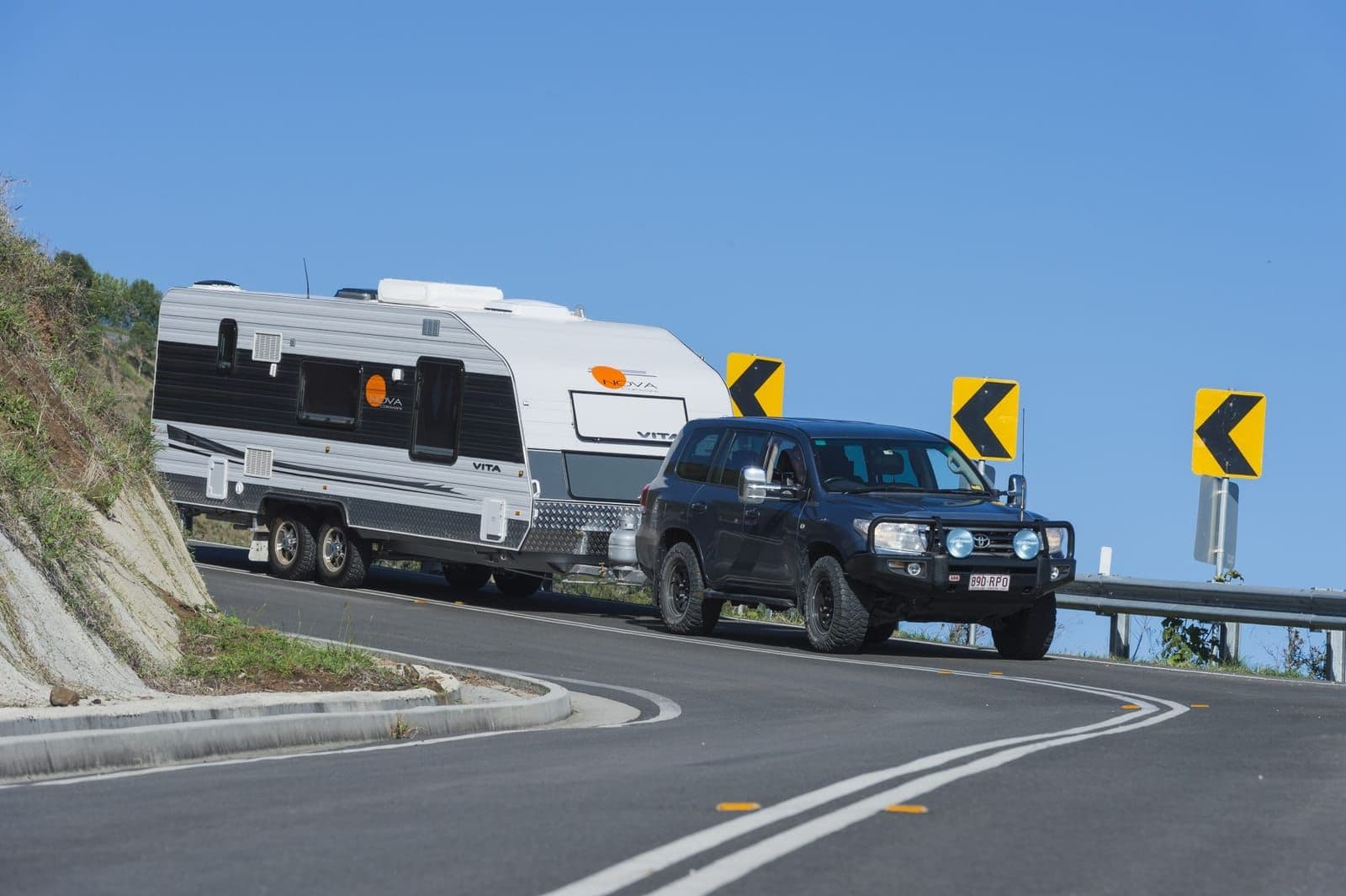
Navigating the latest electrical standards for RVs
The electrical wiring standard for recreational vehicles has been updated, and the changes have caused plenty of confusion among owners, manufacturers and the trade. Below are the frequently asked questions we have received, answered in plain English to help you understand the changes.
When does the new standard start?
The preface of the new standard states that the existing standard (AS/NZS 3001:2008) remains current for 12 months after the new standard (AS/NZS 3001.2:2022) was published. The publication date was 18 November 2022, so for the 12-month period to 18 November 2023, both standards remained available as a basis for electrical installations. Vehicles produced within that window must comply with at least the 2008 standard and may comply with the 2022 standard.
Does it affect my existing vehicle?
No. In general, unless there is a safety concern, Australian standards are not enforced retrospectively, so existing vehicles do not need to be updated and you do not need to replace your RV battery if it still works.
Do I need to comply if I repair or alter my vehicle?
Australian standards include clauses for repairs and alterations, and this is best explained by example:
- Repairs — simply changing a battery "like for like" or replacing a damaged solar panel can be completed in line with the standard of the original installation.
- Alterations — adding circuits (such as extra power outlets or appliances), upgrading a lead-acid battery to lithium, or adding an extra solar panel must comply with the new standard.
I hear there are new laws for lithium batteries — is mine safe?
The new standard introduces requirements for all battery installations, not just lithium, though the lithium requirements represent the more significant change. Importantly, the type of lithium battery installed in recreational vehicles is not the same as those in e-scooters, e-bikes and electric vehicles. The standard battery fitted to your RV is almost certainly Lithium Phosphate (LiFePO4), which has a long track record of safety — inherently much safer, longer-lived and cheaper.
Is the old standard safe?
Yes. The foundation for the AS/NZS 3001 standards, both existing and future, is the Electrical Wiring Rules (AS/NZS 3000), with variations appropriate for installations in recreational vehicles.
What should I do?
First stop — just ask your manufacturer or dealer. Australian manufacturers have been working toward the 2022 standard as intended by the 12-month transition arrangements. An accredited dealer can explain how your van’s system is configured and what compliance paperwork comes with it.
Any fixed 240V AC wiring must be installed and certified by a licensed electrician — never a DIY job. For lithium or solar upgrades, use a qualified installer who works to the current standard; it protects your safety, your warranty and your insurance.